What to look for in a custom titanium medical part with a CNC machining facility
CNC (Computer Numeric Control) machining is a highly accurate and automated method of producing custom titanium medical metal parts. The process involves using computer software to control the movement of cutting tools and produce parts with high accuracy and repeatability. When using CNC machining to produce custom titanium medical metal parts for the medical industry, several key factors must be considered to ensure that the final product meets the necessary standards and specifications.
Material Selection
One of the first factors to consider when using CNC machining to produce custom titanium medical metal parts is the choice of titanium material. There are several grades of titanium, each with its specific properties and characteristics. The most common grades used in the medical industry are Grade 2, Grade 5 (also known as Ti-6Al-4V), and Grade 23 (also known as Ti-6Al-4V ELI).
Each grade of titanium has specific benefits and limitations, and it is important to select the correct grade for a particular application. Factors such as intended use, strength requirements, and corrosion resistance all influence the choice of material.
Tooling and Cutting Strategies
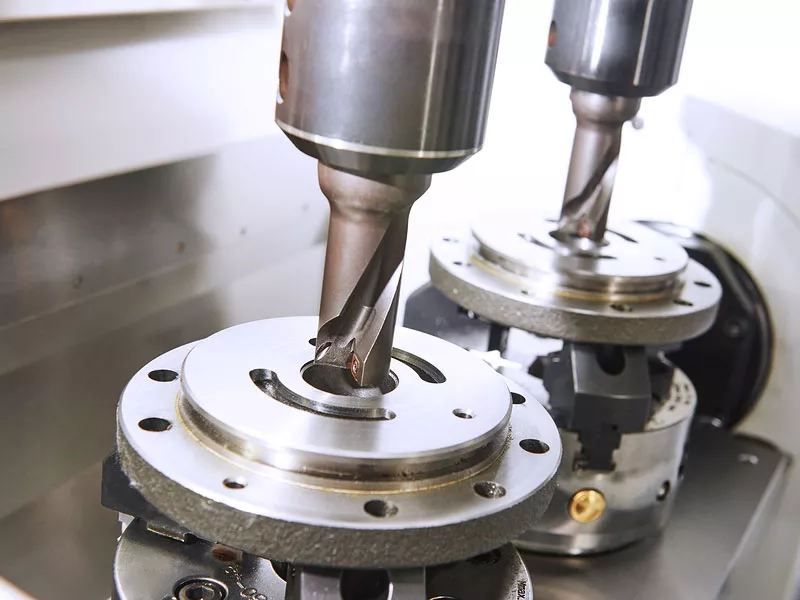
Another important factor to consider when using CNC machining to produce custom titanium medical metal parts is the tooling and cutting strategy choice. Titanium is a highly durable material but can also be challenging due to its hardness and strength.
The choice of cutting tool and strategy will significantly impact the final quality and consistency of the product. It is important to use a high-quality cutting tool such as carbide or HSS and to carefully consider cutting parameters such as speed, feed rate, and depth of cut.
Equipment and Technology
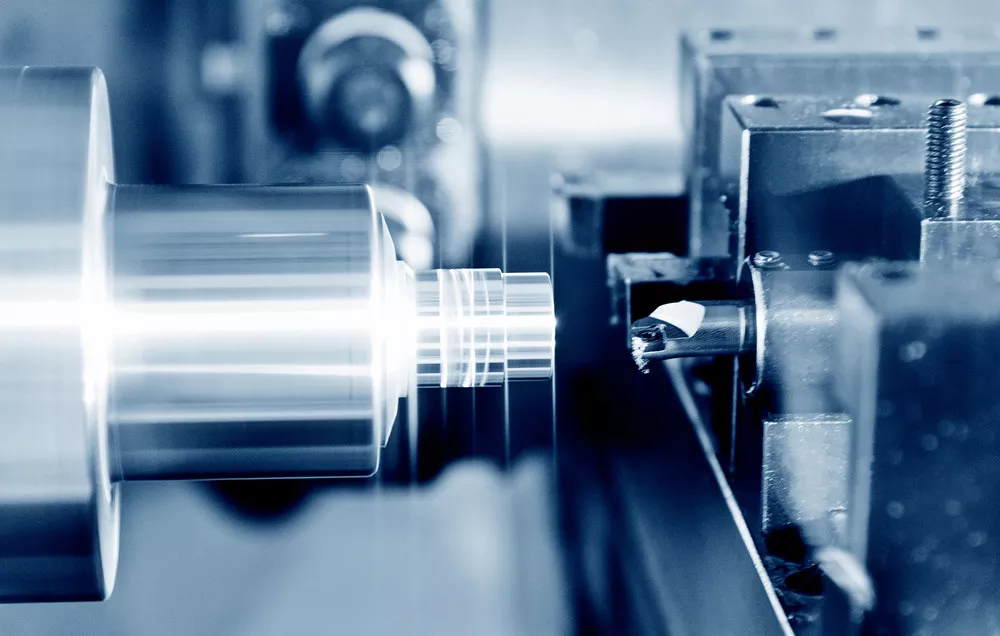
The quality and accuracy of the final product will also be influenced by the type of CNC equipment and technology used. It is important to use high-precision CNC equipment, such as 5-axis machines, to ensure that parts are produced to exact specifications.
In addition, the use of advanced technology, such as CNC laser cutting, can greatly improve the final product’s quality and accuracy. When selecting CNC equipment, it is important to consider factors such as the accuracy of the machine, its versatility, and its ability to produce complex shapes and geometries.
Quality Control
Quality control is a key aspect of using CNC machining to produce custom titanium medical metal parts for the medical industry. The medical industry is highly regulated, and the final product must comply with all relevant standards and regulations.
To ensure the highest level of quality control, it is important to implement a robust quality management system that includes regular inspections, testing, and documentation of the production process. This will help ensure that the final product is of the highest quality and consistency and complies with all relevant standards and regulations.
Cost-effectiveness
Cost-effectiveness is also key when using CNC machining to produce custom titanium medical metal parts. Working with an experienced manufacturer to produce high-quality, cost-effective parts using CNC machining is important.
This may involve considering factors such as raw material costs, production costs, and the cost of post-production services such as surface preparation and polishing. Working with a manufacturer who can provide cost-effective solutions and has a proven track record of producing high-quality parts can help ensure that the final product is cost-effective and of the highest quality.
In conclusion, the above factors must be carefully considered when using CNC machining to produce custom titanium medical metal parts. You can contact Anpllocnc directly if you need to machine titanium medical parts.