How much does it cost to have something CNC machined?
Table of Contents
In the manufacturing industry, the trend is toward automated machining, so CNC machining has become popular. CNC machining is a material reduction technique (milling and turning), and CNC machining is a fully automated process, and one of the most appealing aspects of CNC machining is its cost-effectiveness. When designing and utilizing CNC machined parts, the three factors that affect the cost of the part are design, material, and quantity. How much might it cost you if you want to use CNC machining technology to produce parts?
How to Estimate CNC Machining Prices
The final cost of a CNC machined part can be affected by several factors. A simple cost calculation is the sum of the time it takes to manufacture the part multiplied by the hourly rate. Specific factors include the complexity of the part design, materials, labor costs, machining costs, additional treatments on the part (such as different surface finishes), and quality margins or other special add-ons. There is also the type of machine used if the part you need to design is very complex; typically, simple parts are machined using a 3-axis machine, while complex parts will be machined using a 5-axis machine or even better. In terms of cost, the hourly rate for a 3-axis CNC machine will be lower than a 5-axis CNC machine. You can only get a more accurate idea of the pricing rules of a CNC machining service provider if you take a deeper look at all the processes involved in manufacturing. The process also involves programming, setting up the machine, deburring, and inspection.
All the above factors lead to different pricing from one CNC service provider to another. If you don’t like the hassle, consult a few more factories before placing an order to choose a better CNC machining service provider.
True Cost of CNC Machining
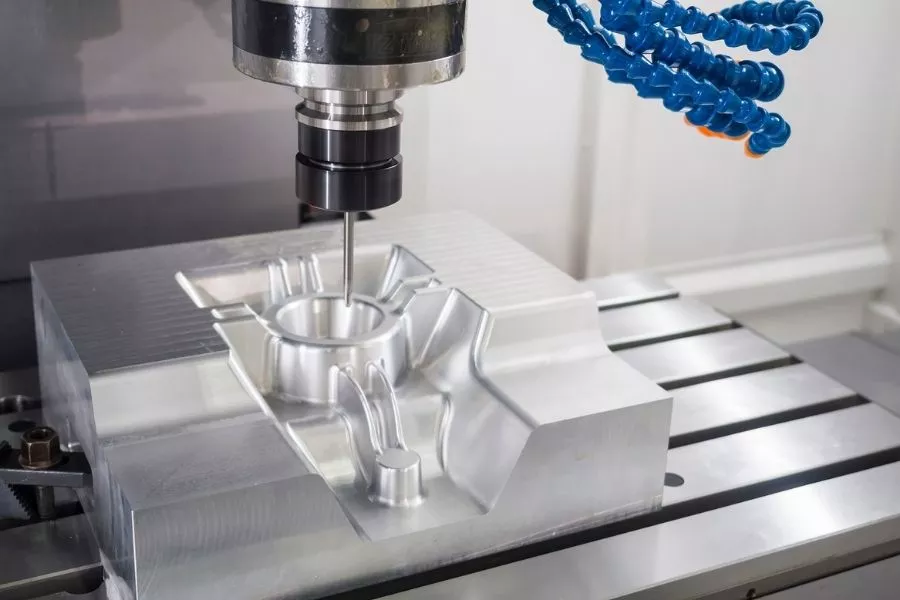
Generally speaking, the cost of CNC machining is the total cost provided to you after the engineers of the CNC machining factory have accounted for it. The cost of CNC machining varies depending on the part. The hourly rate for 3-axis CNC milling ranges from $50 to $65 per hour, while the hourly rate for 5-axis CNC machining ranges from $90 to $150 per hour. In most cases, factories do not disclose their hourly rates to their customers and generally only go by the total cost of ownership based on the part information you provide. Therefore, you can better control your costs by understanding the specific factors involved. This can simply be viewed as the total cost of raw materials, fixtures, and labor hours required to machine each part. For example, the cost of raw materials varies from material to material, with ABS costing about $17, POM costing $27, nylon costing $30, aluminum costing $25, and steel costing $90.
A material-related factor is the finish required on the final part. Different materials may need to be processed with different finishes (choose from glossy, matte, paint, laser engraving, tomography, or just a regular soft touch), which vary in price. This will also affect the final price.
Ready to order CNC machined parts?
To cost-effectively CNC machine parts, you must understand the cost implications that affect CNC parts machining. CNC machining is a costly option for small product manufacturing companies. Understanding all of the factors that may affect the expense is critical. Consult with a team of experts before deciding on a final design, as inaccurate modeling information can result in parts being manufactured multiple times. You or an engineer can optimize the design of a part by modifying or eliminating certain designs or processes. For the best option for top quality and cost-effective CNC machined parts, it’s best to do so by partnering with Elimold. Get a 12-hour quote and start ordering today.