How to go about CNC machining of ABS material parts
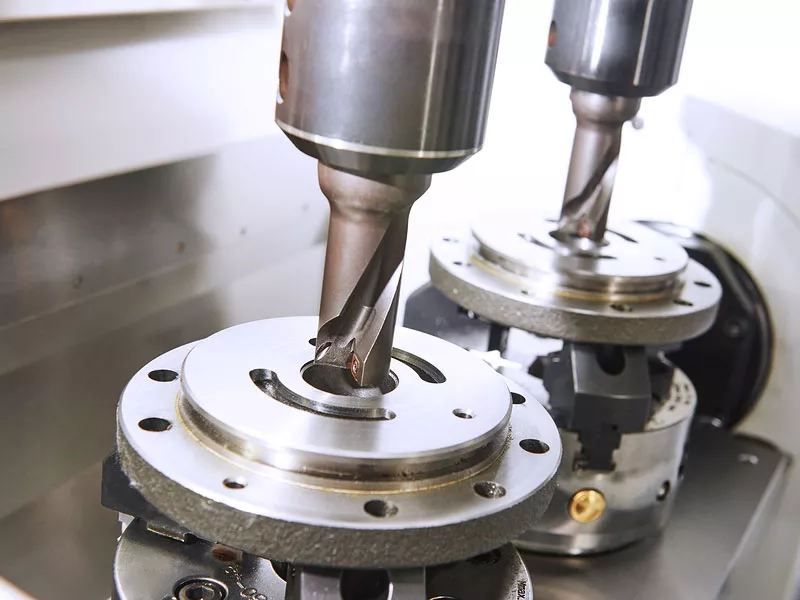
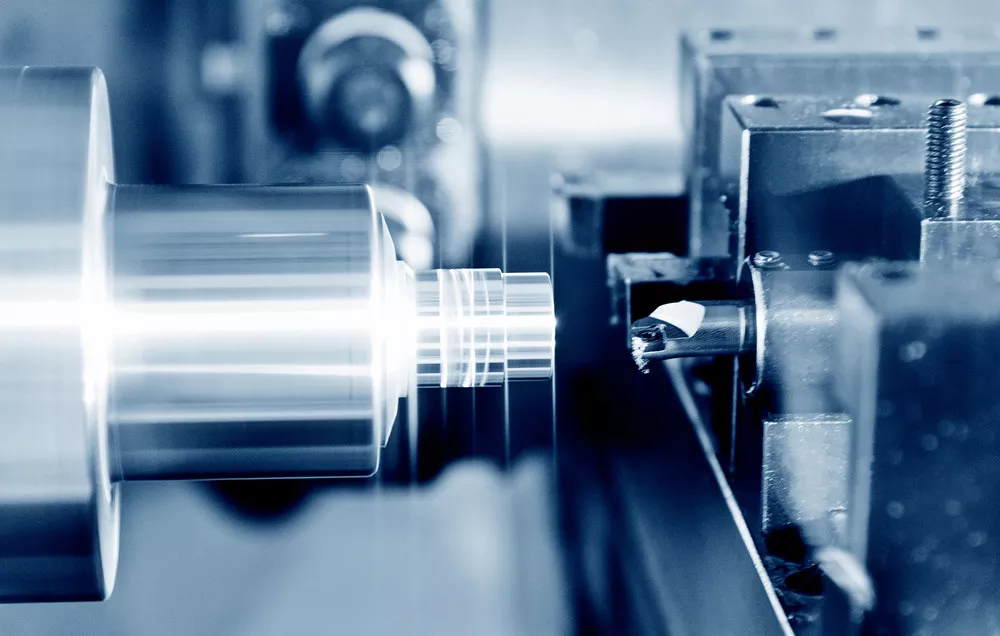
If you are a CNC machinist, you will know very well what a great challenge it is to work with ABS materials. Of course, it is still easy to produce high-quality ABS parts through our accumulation and the use of proper techniques. This blog will discuss the step-by-step process of CNC machining ABS material parts.
Introduction to ABS material
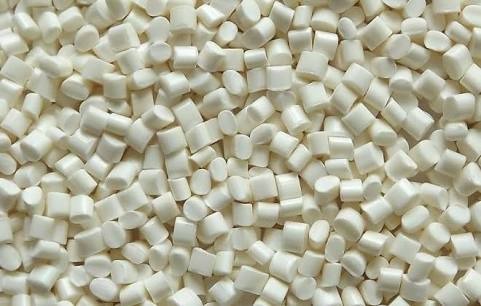
ABS is a thermoplastic polymer known for its excellent impact resistance, strength, and durability (specific material properties are described in detail on the materials page of this site). This material is commonly used in various industries, such as automotive, construction, and consumer products. Also, due to its machinability and heat resistance, ABS is a popular choice for many product designers who use CNC machining to produce part prototypes quickly. It is ideal for its ability to make complex parts.
ABS Material Characteristics
ABS material has several properties that make it suitable for CNC machining. It has good thermal stability, which means it can withstand high temperatures without deformation. It also has impact resistance and good mechanical strength, making it an ideal material for producing complex parts for general product design. It is also because ABS material is readily machined to a high standard by CNC.
Advantages of ABS materials
There are several advantages to using ABS material for CNC machining. It is a cost-effective material that can be easily molded into complex shapes. ABS has excellent impact resistance, making it ideal if a material supplier needs to design a plastic part or product resistant to wear and tear. In addition to these advantages, ABS is a lightweight material that is easy to transport.
Applications of ABS
ABS is used in various industries, such as automotive, construction, and consumer products. ABS is also used to manufacture toys, luggage, and electronic housings.
Manufacturing Processes for ABS Materials
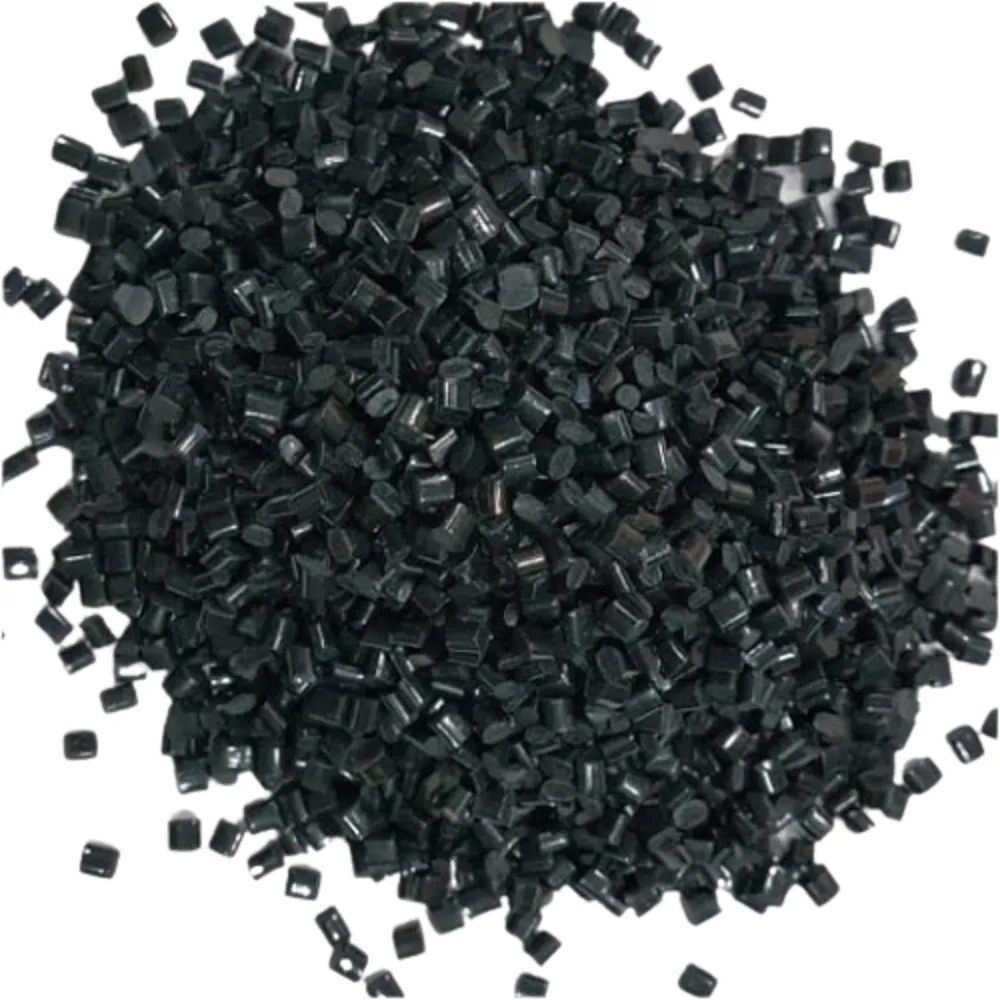
There are several manufacturing processes for ABS materials, including injection molding and CNC machining. CNC machining is a standard option for producing high-quality ABS parts. It involves using computer-controlled tools to remove material from ABS material blocks. Product design uses CNC machining processes for machining ABS material parts, stemming from several advantages mentioned above.
The step-by-step process for CNC machining ABS material parts
Step 1: Select the correct tool and cutting parameters
The first step in CNC machining ABS parts is to select the correct tool and cutting parameters for the job. Choosing a suitable device and cutting speed is critical to avoid overheating and melting the material. Sharp tools, low cutting, and feed rates will produce the best results.
Step 2: Set up the CNC machine
Once you have the correct tooling, it is time to set up the CNC machine. This includes firmly securing the ABS material to the table to prevent vibration during machining. When machining thin, small parts, the material must be held in place with clamps or fixtures.
Step 3: Program the CNC machine
The next step is to program the CNC machine. This involves creating the toolpath, specifying the cutting parameters, and selecting the correct tool for the job. It is critical to use the right cutting parameters, including spindle speed, feed rate, and depth of cut, to ensure the best results.
Step 4: Monitor temperature and use coolant
During machining, it is critical to monitor the temperature of the material to avoid overheating and melting. Coolant should be used consistently to prevent chip buildup and extend the life of the cutting tool.
Step 5: Keep the CNC machine clean
Keeping the CNC machine clean and free of chips and debris is also critical to avoid damage.
Step 6: Clean and inspect parts
Finally, after machining, ABS parts should be thoroughly cleaned and inspected. Any sharp edges or burrs should be removed, and the surface should be smoothed with sandpaper or a polishing wheel. The part can then be finished using techniques such as painting or plating to improve its appearance and durability.
Summary
This article provides a step-by-step guide to CNC machining parts made of ABS material. It describes the properties and benefits of ABS materials and their applications in various industries. The article emphasizes the importance of selecting the proper tooling, setting up the CNC machine, programming, monitoring temperatures, and cleaning the part. It also highlights the need to use cutting parameters to prevent overheating and melting of the material. The process concludes with finishing techniques for the area, including polishing and painting, to improve its appearance and durability. If you have CNC machined parts using ABS materials, consider contacting Anpllo for this work.