CNC machining characteristics of shaped parts and process
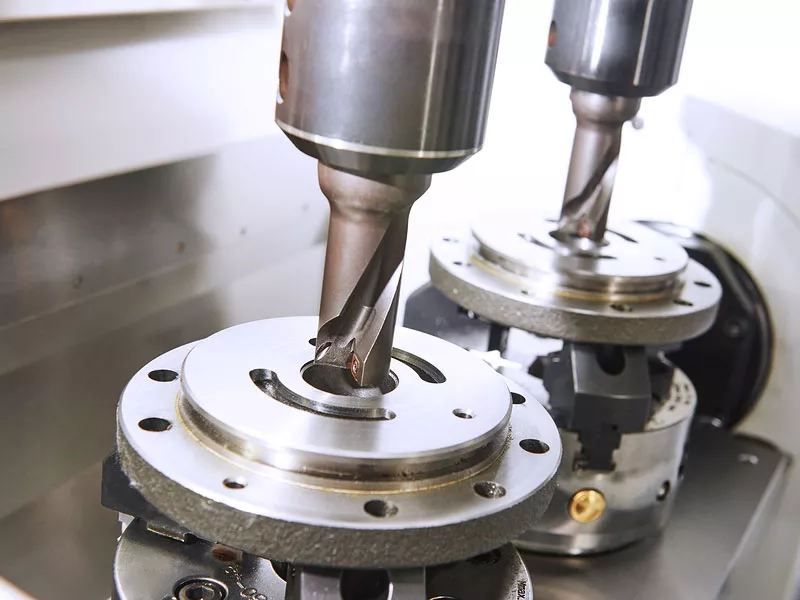
Shaped parts if the production batch is large, then you can use castings, forgings or powder metallurgy and other forming methods, which can reduce the manufacturing cost of the parts, but the early need to invest a lot of mold costs and mold trial period is long; if the production batch is small, or the product is in the development process, it is impossible to invest in expensive molds for forming processing, there is no time to wait, if the use of 3D additive printing method often If the production batch is small or the product is in development, it is impossible to invest in the expensive mold for forming and processing, and there is no time to wait. In the past, most of the ordinary equipment processing, more processes, more fixtures required, and the operator’s skills were also high, resulting in a long product development cycle and high development costs. Shaped parts are more common in life than what we see as irregular parts; these irregular parts of the point, line, and surface are very complex, and processing is also very complex and must be mixed with multi-station processing. These shaped parts are brackets, bases, prototypes, backing mould, etc. These shaped parts need to be processed into shape using the five-axis machining centre.
Features of shaped parts
Features 1: shaped parts are generally smaller and more complex shape, parts in the processing are not easy to clamp, the processing is generally used in the combination of clamping fixture clamping method, the use of fixture components to ensure multiple clamping positioning benchmark coincidence, the use of pressure plate clamping workpiece, generally speaking, shaped parts need to be positioned by two groups of clamping elements, three components support, two components pressure, pressure plate position is not determined, the fixture is not easy to operate.
Feature 2: the design of the part is characterized by its size tolerance, and shape tolerance requirements are high. In the design of the CNC machining process, to ensure accuracy, processing to prevent deformation, the previous processing is often used in the principle of process dispersion, rough and fine separate processing, more milling, grinding, boring and other multiple processes, resulting in too many processing steps.
Shaped class parts of the reasons for the low efficiency of CNC machining
The part structure is the main factor limiting the low efficiency of parts processing. The structural characteristics of such parts led to the low efficiency of processing such parts for the following reasons.
1, in the process of parts clamping, due to improper selection of fixtures, resulting in slower parts clamping correction.
2, the parts of the processing process are too scattered, a single clamping processing parts less, clamping correction more times, etc., are the main reasons for the long clamping correction time.
3, the processing process, the cutting mode is unreasonable, improper selection of tools and frequent tool changes in processing will also cause the parts of the pure cutting time to be too long.
To sum up, in the process of parts clamping, due to improper selection of fixtures, resulting parts clamping correction speed is slow, parts of the processing process are too scattered, single clamping processing parts less, clamping correction times, these are the main reasons for the parts clamping correction time is long. In addition, due to the processing process, the cutting method is unreasonable, improper selection of tools and frequent tool changes in processing can also cause the parts of the pure cutting time to be too long.
CNC machining of the shaped parts processing process
Shaped parts are difficult to process because the shape is more deliberate; most of the shaped parts have a wide distribution of sharp corners, which can easily cause the concentration of stress and very easy to produce cracks and internal fissile forces. In this kind of parts process, after a series of cutting vibration, fixtures and scorching processing, residual stress after redistribution is difficult to avoid deformation; in the process of storage between the various processing procedures, the residual stress of the parts will also be affected by the storage environment (such as temperature, air humidity, etc.) and shape, size changes will cause the work in the yield is not high.
The selection of tools in the processing of shaped parts
The classification of processing tools groove parts processing tools is mainly divided into two categories of milling cutters and boring tools.
1. The processing stages use different tools, specifically the following three steps.
(1) In the roughing and semi-finishing stages of the free-meshing surface, the milling tool is chosen first because it has high-quality cutting and efficiency.
(2) If the free-form surface is finished, the ball-head cutter should be used because of its slow cutting speed and dense enough cutting rows.
(3) If it is rough finishing, even the same size and specification of the tool should be used separately. In general, try to use a tool to complete all the processing parts.
2. The use of tools in the processing of shaped parts
(1) rough machining spiral feed should be controlled between 5 and 10 degrees; the radial feed is not allowed to exceed 5%-8% of the tool diameter, and the depth feed should be controlled at 5%.
(2) semi-finishing stage, due to the small distance between the layers of the part, to prevent cutting when the tool sinks directly to the next cutting surface, do not overcut, to meet the principle of equal cutting.
(3) roughing and semi-finishing stage, to achieve higher surface machining quality and cutting efficiency, to cooperate with the use of UG software manufacturing module cavity-mill milling method, its parameters are set to, cutting level selected bcalDepthperCut for 2mm, the Stepover tool diameter is adjusted to 55%. The tool is a carbide double-edged vertical flat-bottom milling cutter.
(4) Finishing stage, choose a high-quality alloy ball-head cutter as the tool; compare the largest surface of the surface, divided into two groups of positive and negative direction; the tool track direction as much as possible along the direction of the longest contour line; because the ball-head cutter centre speed is 0, not cutting but sharpening, so the processing tool axis needs to maintain no more than 20 degrees of tilt with the bottom surface of the parts, reduce so that the tip of the tool can avoid wear on the processed parts; according to the parts Different surface characteristics, you can use Cavity-mill in Ar.eaMilling, SurfaceArea, Boundar to process.
Problems to pay attention to when drilling the centre hole of shaped parts
Drilling the centre hole is a very detailed but extremely important part of the processing of shaped parts and plays a decisive role in the quality of the processing process of shaped parts; therefore, the following issues should be noted in processing shaped parts.
1. Prevent the centre drill from breaking
(1) The centre drill must be aligned with the centre of rotation of the machined part. The end of the machined part should be turned flat and not left with a hollow head. Otherwise, it is easy to cause the centre drill to deflect and not accurately set the drill centre and break.
(2) cutting time to control the cutting amount strictly.
(3) Do not use the centre drill after grinding to force drilling.
(4) to ensure the cleanliness of the centre drill, timely removal of chips on the centre drill and pouring cutting fluid.
2. Prevent the centre drill from drilling out of round or off-centre
(1) to timely correct the bending of the processing parts
(2) ensure that the clamping tool has good clamping force to prevent the displacement of the machined parts when drilling the centre hole caused by insufficient clamping force. And when drilling, note that the centre hole should not be drilled too deep. Otherwise, the workpiece clamping can not fit with the centre hole drilling, avoid the length of the cylindrical part of the centre hole after repairing the film is too short, otherwise in the clamping, easy to cause the clamping tip and the bottom of the centre hole contact.
Conclusion
In summary, through the analysis of many factors on the characteristics of the shaped class parts themselves, emphasizing the problems that need attention in the CNC machining process link, also put forward the points and development trend to improve further the processing yield of shaped class parts, which can greatly improve the qualified rate of finished products, reduce the mechanical energy consumption, save costs, while also ensuring the processing schedule. Significantly reduce the probability of rework by the staff of machining enterprises, reduce the workforce of employees, and provide relevant experience for practitioners.
For machining services for shaped parts,contact us at Anpllocnc.