Must-know CNC precision machining basics
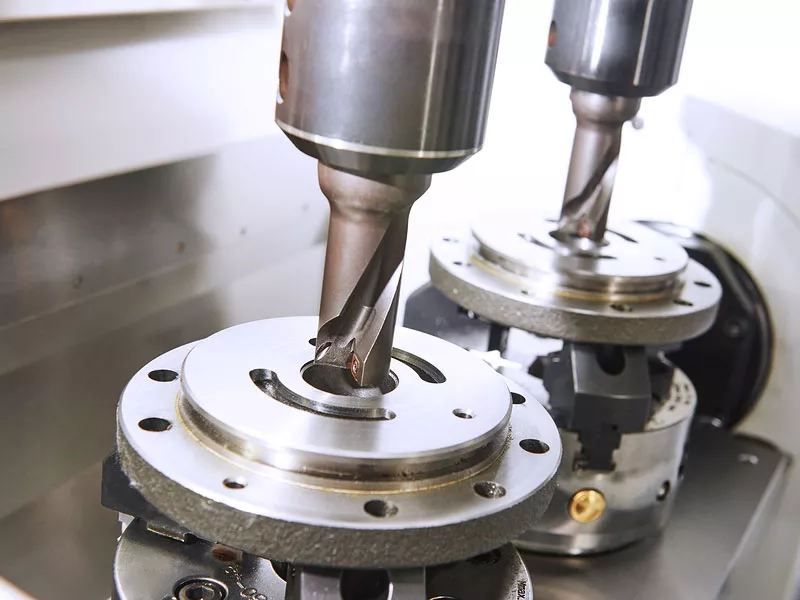
Precision manufacturing, precision machining is an evolving direction in the manufacturing field, and its work affects our daily lives. CNC precision manufacturing of many products is something we use today. CNC precision machining is a widely used high-end technology today for processing complex precision parts with extremely high accuracy and faster efficiency while saving labor costs.
Whether using prototype designs or specific molds for steel, metal, space aluminum, or even plastic, precision CNC smart manufacturing machining technology will keep your parts loss to a minimum, and mass production quality and accuracy can be near perfect!
So what is CNC precision, and why should you choose it? Next, we will explore when we are looking for the right CNC precision machining.
What is precision CNC machining?
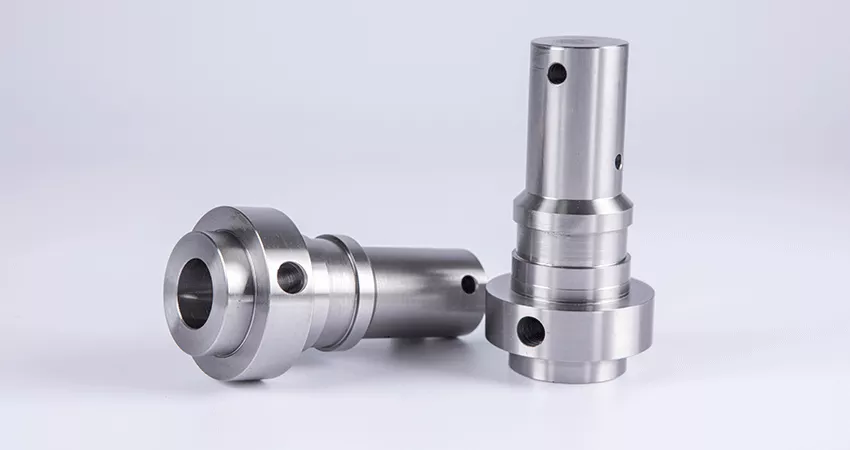
CNC precision parts machining refers to the rapid development of CNC machining technology, parts processing accuracy gradually from macroscopic judgment to microscopic transformation so that the processing requirements that once seemed to be a pipe dream become possible.
Precision CNC machining is an indispensable link in hardware, manufacturing, electronics, and other related industries. Many types of products are involved, mainly according to the product’s characteristics. Precision parts also refer to components in a piece of equipment. Parts machined in various ways can be better used and operated and also meet the needs of related industries and customers. To promote this technology, many industries are reforming themselves to improve the quality of parts and materials. Precision mechanical parts are machined with nanometer-level precision. Even precision cutting methods of atomic cells (atomic lattice spacing of 0.1 to 0.2 nm) cannot meet this processing requirement. It is necessary to use special precision machining methods for mechanical parts, i.e., chemical, electrochemical, thermal, or electrical energy, etc., so that these energies exceed the bonding forces between atoms, thus eliminating adhesion, bonding, or lattice deformation. Some atoms are on the surface of the workpiece, thus achieving ultra-precision machining. The process includes mechanochemical polishing, ion sputtering, ion implantation, electron beam exposure, laser processing, metal evaporation, and molecular beam epitaxy.
Why distinguish basic CNC machining from high-precision CNC machining?
Precision CNC machining is sometimes thought to mean that the part being manufactured is very much in line with the predicted specifications and geometry. Technically, this is true, but the more accurate expression is precision. There is a subtle but critical difference between the two terms. CNC equipment is very capable of producing parts that are accurate enough for many applications but sometimes not enough. When you add precision to the mix, you can also take it to a new level. This gives you a real problem: what is the difference between high-precision CNC machining and ordinary CNC machining?
1、Machining process
In the ordinary machining process, both positioning reference, clamping methods, tools, cutting methods, and other aspects can be simplified, but the data processing process is more complex and needs to take full account of these factors, and even if the same processing task, CNC machining process can have more than one program, can be arranged for multiple processing parts and processing tools as the main line on the process, the process has Diversified characteristics, which is the difference between CNC machining process and traditional machining process.
2, clamping and fixture
In the CNC machining process, not only is the need for fixtures and machine tool coordinates to ensure that the relative direction is fixed but also to coordinate the relationship between the size of the part and the coordinate machine system. And the clamping process requires effective control of the two steps of positioning and clamping. The traditional machining process requires multiple clamping during machining because of the limited machining capacity of the machine tool itself. And the need to use special fixtures leads to high-cost fixtures in the design and manufacture, invariably increasing the product’s production costs. The CNC machining process positioning can be used to debug the instrument; in most cases, do not need to carry out the design of special fixtures, so relatively speaking, its cost is relatively low.
3、Tools
In processing, the tool choice must be determined according to the processing technology and processing methods. Especially in CNC machining, the use of high-speed cutting is not only conducive to the improvement of processing efficiency but also processing quality can be guaranteed, effectively reducing the chances of cutting deformation so that the processing cycle is shortened, so the demand for cutting tools under the tell cutting further increased.
At present, there is also a dry cutting method, which is the case of cutting without cutting fluid or only a small amount of cutting fluid, so the need for good heat resistance of the tool. Compared to the general machining process, the precision CNC machine has higher requirements for the performance of tools.
What are the advantages of CNC precision machining?
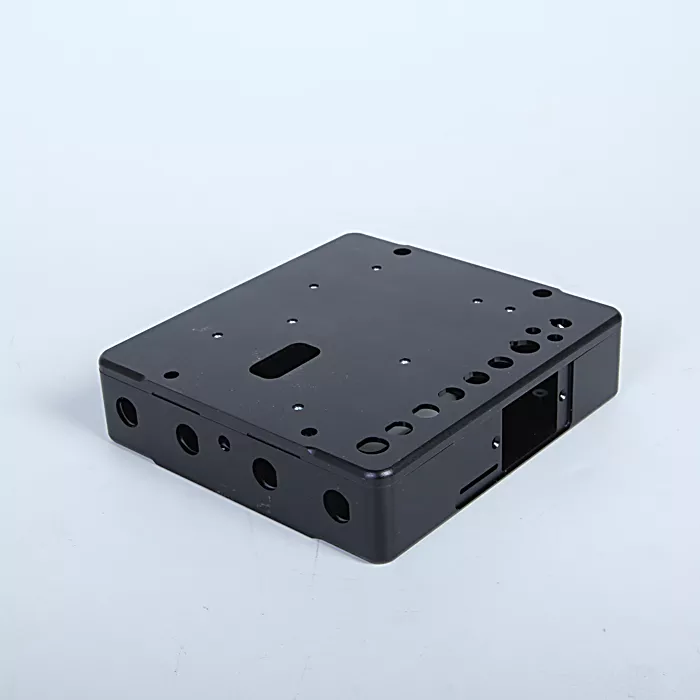
Compared to traditional machining methods, CNC precision machining offers many advantages.
Accuracy: CNC precision machining produces parts with extremely tight tolerances and high dimensional accuracy. This is because the machining process is controlled by a computer program that performs machining operations with a high degree of repeatability and consistency.
Efficiency: CNC precision machining is an efficient process that produces parts quickly and minimizes waste. This is because CNC machines can run unattended for long periods and can be easily programmed to make multiple parts in the shortest possible setup time.
Consistency: Because a computer program controls the machining process, CNC precision machining can produce parts batch after batch. This is especially important for applications, where parts must be interchangeable or producing high-quality parts is critical.
Flexibility: CNC precision machining is a highly flexible process that can produce a wide range of parts in various materials. CNC machines can be easily programmed to change part designs, and different tooling can be used to achieve different surface finishes or features on the part.
Quality: CNC precision machining is a high-quality process that produces parts with smooth surfaces and minimal defects. This makes it ideal for applications where the appearance or function of the part is critical.
Common Precision CNC Machining Methods
CNC precision machining is widely used in medical, aerospace,industrial, oil and gas, hydraulic, and other industries. CNC machining can be performed on various materials and processes metals, plastics, glass, composites, and wood.
Precision CNC machining offers many advantages over machining without CNC programmability. Cycle times can be significantly reduced, surface smoothness can be improved, and quality and consistency can be enhanced. Several common precision CNC machining methods can produce parts with tight tolerances and precise dimensions. Some of these methods include.
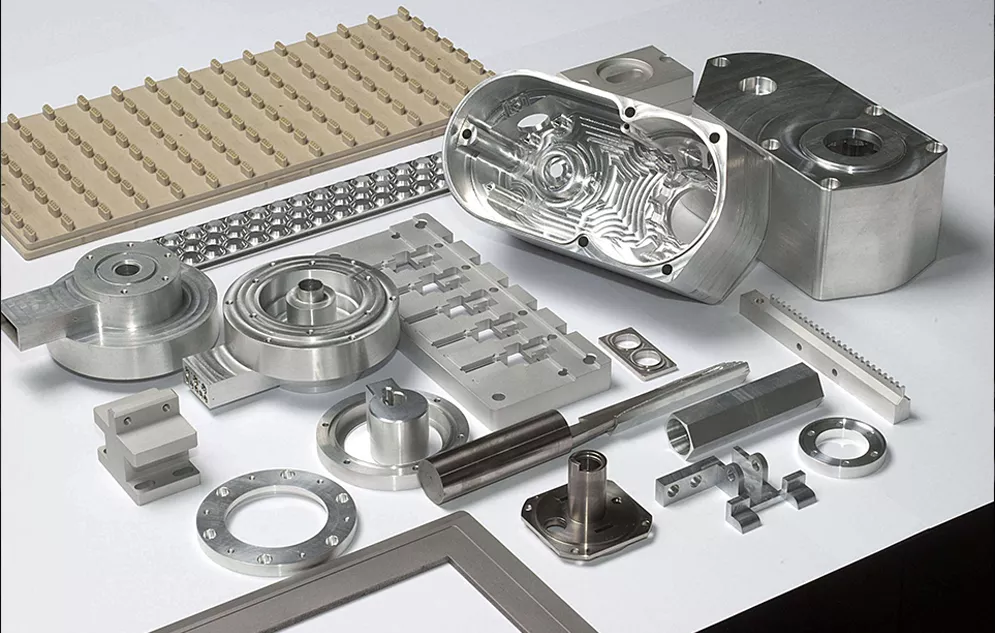
1. CNC Milling
CNC Milling is a machining process in which a rotating tool removes material from a workpiece. CNC Milling can produce flat, sloped, or curved surfaces, as well as complex shapes and features. They can produce a variety of shapes, including planar milling (shallow, flat surfaces and cavities in the workpiece) and peripheral milling (deep cavities, such as grooves and threads). Parts for production on CNC milling machines are typically square or rectangular with various features.
2. CNC Turning
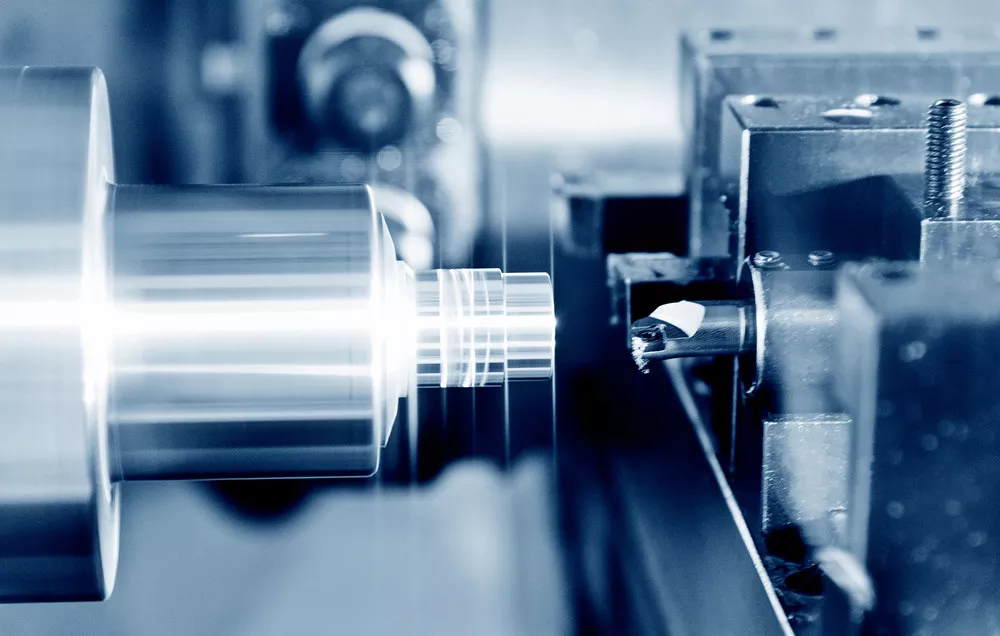
CNC Turning is a machining process in which the workpiece is rotated, and the material is removed from the surface using a cutting tool. CNC Turning is typically used to produce cylindrical parts with smooth finishes. In general, CNC automatic turning is suitable for machining small-diameter parts. CNC lathe machining creates internal and external features on the part: including drilling, broaching, reaming, grooving, tapping, and threading. CNC lathes and turning centers manufacture parts, including screws, bolts, shafts, joints, and more.
3. Drilling
Drilling is a machining process in which a rotating drill bit is used to remove material and drill holes in the workpiece. Drilling is typically used to create holes of various sizes and shapes in various materials.
4. Grinding
Grinding is a process in which a rotating grinding wheel removes material from a workpiece. Grinding is typically used to produce parts with very tight tolerances and smooth surfaces.
5. Finishing
Finishing is a machining process in which an abrasive slurry is sandwiched between the workpiece and the finishing disc for friction. This process is used to achieve a high level of surface finish and flatness on the workpiece.
6. CNC laser processing
CNC laser machines have a pointed router with a highly focused laser beam for precise cutting, slicing, or engraving materials. The laser heats the material and causes it to melt or vaporize, thus creating a cut in the material. Typically, the material is sliced. The laser beam moves back and forth across the material to create a precise cut.
This process produces a wider range of free designs than traditional cutting equipment (lathes, turning centers, milling machines). It often produces cuts and edges that do not require additional finishing processes.
CNC laser engraving machines often process marks (and decorations) on parts. For example, logos and company names are difficult to machine with CNC turning or CNC milling processes. However, with CNC laser engraving, it is very easy to add them to the component using laser engraving even after the machining operation is complete.
7. CNC Electrical Discharge Machining (EDM)
CNC Electrical Discharge Machining (EDM) uses highly controlled electric sparks to machine the material into the desired shape. It can also be called spark etching, machining, or wire burning.
A component is placed under an electrode wire, and the machine is programmed to emit an electrical discharge from the wire, generating intense heat (up to 11,700 °C). The material is melted or washed away with a liquid to create the desired shape or feature.
EDM is most commonly used to create precise micro-holes, slots, tapered or angular features in parts or workpieces, and various more complex features. It is often used to machine very difficult shapes and sizes, often for machining very hard metals—for example, gears.
8. CNC plasma cutting machine
CNC plasma cutting machines are also used to cut materials. However, they use a high-power plasma (ionizing electron gas) torch controlled by a computer to perform this operation. Similar in function to handheld pneumatic torches used for welding (up to 5500 degrees Celsius), plasma torches can reach up to 27500 degrees Celsius. The plasma torch melts through the part to create a kerf in the material.
Whenever CNC plasma cutting is used, the material being cut must be electrically conductive. Typical materials are conductive metals such as steel, stainless steel, aluminum, brass, and copper.
Precision CNC machining offers a wide range of production capabilities for manufacturing parts and finishing. Depending on the environment of use, material required, lead time, quantity, budget, and desired function, there is usually an optimal method to provide the desired results.
Summary
The above content is an introduction to the precision CNC machining process; I believe that after the reading has been understood precision CNC machining. CNC machining center machine tool itself high precision in the processing of high-precision, complex, small batch parts have unique advantages; the precision grinding machine is one of the precision machining equipment mainly used for finishing, mainly for the quenching treatment of parts processing.
CNC lathes are also automated machining equipment. Usually, they machine shafts, rods, and round parts. They are advantageous in handling special precision requirements or small batch parts. If you need to find the right precision CNC machinist, you can contact Anpllocnc.